Best Exercises for Longevity: Why Variety Matters Most
Living a longer and healthier life is a goal that most people strive for. While factors like nutrition, sleep, and stress management are essential, physical activity remains one of the most powerful tools to improve lifespan and overall well-being.
However, many people still ask an important question: what type of exercise is actually best for longevity?
Recent research suggests that the answer is not as simple as choosing one type of workout. Instead, combining different forms of physical activity may be the most effective way to extend your life and maintain good health.
Why Exercise Is Essential for Longevity
Regular physical activity plays a critical role in maintaining both physical and mental health. It helps the body function efficiently and reduces the risk of many chronic diseases.
Exercise supports:
- Heart health and blood circulation
- Muscle strength and bone density
- Metabolic function
- Brain health and mood stability
- Immune system performance
According to Harvard Health Publishing, consistent physical activity can significantly lower the risk of heart disease, diabetes, and other long-term conditions.
If you are building a healthy lifestyle, you can also explore more strategies in our guide on improving daily health habits on your website.
What Research Says About Exercise and Lifespan
A large-scale study followed more than 100,000 individuals over several decades to understand how different types of physical activity affect longevity.
The results showed a clear pattern. People who engaged in a wider range of physical activities had a lower risk of early death compared to those who focused on just one type.
The findings included:
- Up to 19% lower risk of death from all causes
- Around 13–14% lower risk of death from major diseases
These results highlight that variety in exercise routines may offer additional health benefits beyond total activity levels.
Types of Exercises That Improve Longevity
To understand why variety matters, it is important to look at different types of exercises and how they benefit the body.
Cardio Exercises
Cardio activities are essential for improving heart and lung function. They help increase endurance and support overall cardiovascular health.
Common examples include:
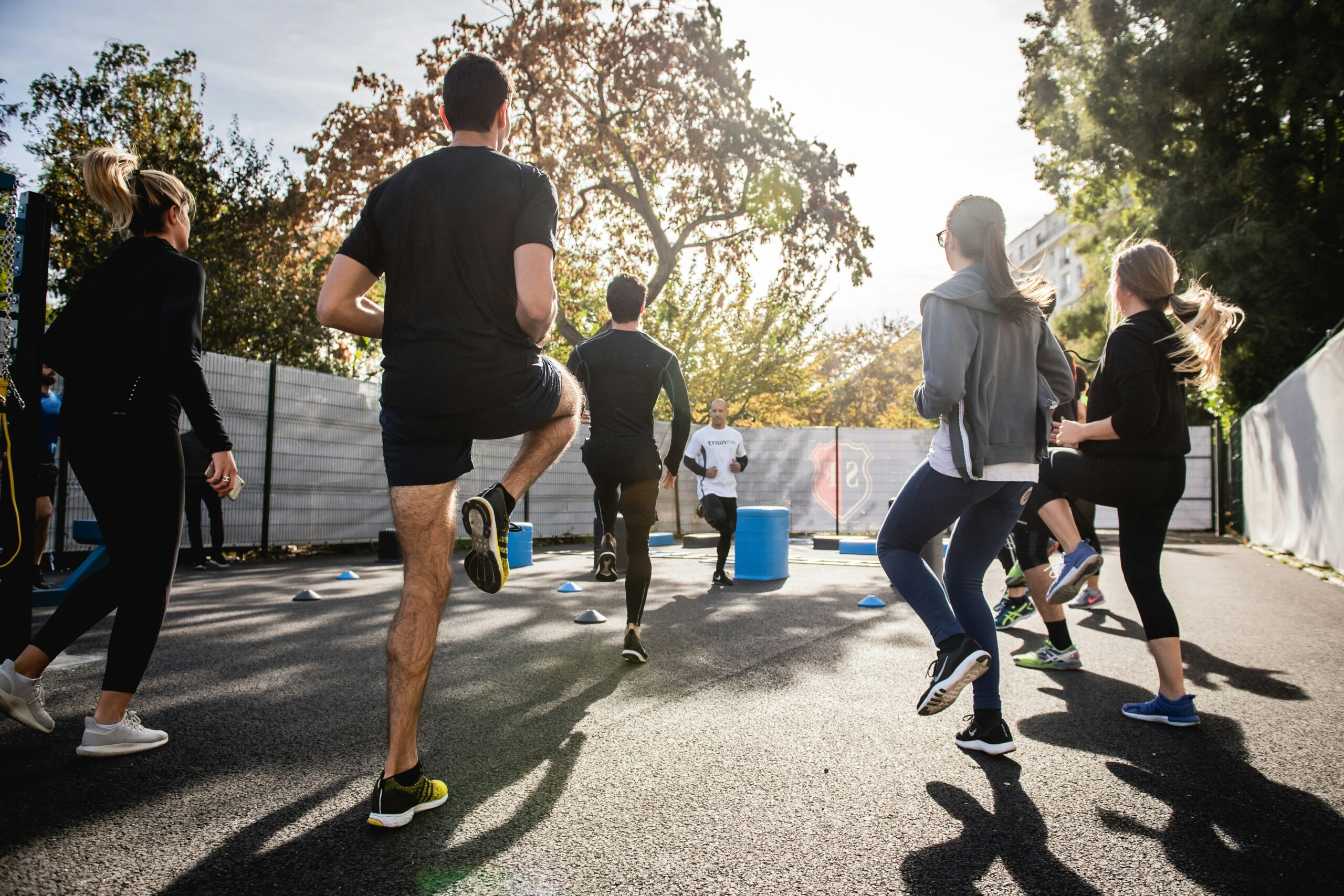
- Walking
- Running
- Cycling
- Swimming
- Rowing
- Tennis
Organizations like World Health Organization (WHO) recommend regular aerobic activity as a key factor in reducing mortality risk.

Low-Intensity Activities
Low-intensity exercises are often overlooked but are important for flexibility and recovery.
Examples include:
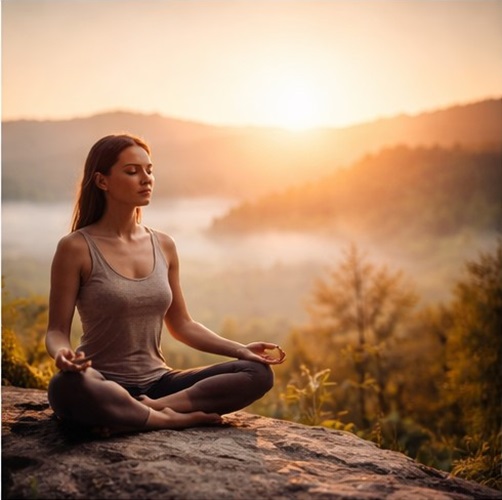
- Yoga
- Stretching
- Light mobility exercises
These activities help reduce stress, improve posture, and prevent injuries.
Strength Training
Strength or resistance training is crucial for maintaining muscle mass and bone density, especially as you age.
Examples include:
- Weight lifting
- Bodyweight workouts
- Resistance band exercises
According to National Institutes of Health (NIH), strength training plays a vital role in preventing age-related muscle loss and improving metabolic health.
Functional and Outdoor Activities
Daily activities can also contribute to your fitness level.
These include:
- Gardening
- Yard work
- Household chores
- Manual outdoor tasks
While they may not feel like structured workouts, they still support physical activity goals and improve overall movement.
Is More Exercise Always Better?
One interesting finding from research is that exercise benefits are not unlimited. After a certain level, the benefits begin to level off.
This means:
- Excessive exercise does not eliminate all health risks
- Overtraining may increase injury risk
- Balanced routines are more effective than extreme ones
The goal should be to maintain a consistent level of activity rather than pushing beyond your limits.
Why Exercise Variety Improves Longevity
Different types of exercises target different systems in the body.
For example:
- Cardio improves heart health
- Strength training builds muscle
- Flexibility exercises improve mobility
- Balance training reduces fall risk
Combining these activities creates a well-rounded routine that supports overall health.
This approach ensures that your body remains strong, flexible, and resilient over time.
How to Create a Balanced Exercise Routine
Building a longevity-focused workout plan does not require complicated strategies. A simple combination of exercises can provide excellent results.
Weekly Structure
Cardio (3–5 days per week)
Engage in activities like walking, jogging, or cycling for 20 to 40 minutes.
Strength Training (2–3 days per week)
Focus on major muscle groups using weights or bodyweight exercises.
Flexibility (3–4 times per week)
Include stretching or yoga to improve mobility.
Balance Training (2–3 times per week)
Practice simple balance exercises to reduce fall risk, especially as you age.
If you are new to fitness, you can also check beginner-friendly workout tips available on your blog.
How Much Exercise Do You Need?
Most global health guidelines recommend:
- 150 to 300 minutes of moderate exercise per week
or - 75 to 150 minutes of vigorous exercise
However, it is important to remember that variety and consistency matter more than just total time.
Importance of Exercise as You Age
As you grow older, staying physically active becomes even more important.
Regular exercise helps:
- Maintain independence
- Improve mobility
- Reduce the risk of falls
- Support mental health
- Slow down muscle loss
Even starting later in life can provide noticeable benefits, especially when different types of exercises are combined.
Common Exercise Mistakes to Avoid
Many people fail to see results because of simple mistakes.
Focusing on one type of exercise
Doing only cardio or only weight training limits benefits.
Overtraining
Too much exercise can lead to fatigue and injury.
Ignoring recovery
Rest and sleep are essential for muscle repair.
Inconsistency
Irregular workouts reduce long-term effectiveness.
Tips to Stay Consistent with Exercise
Maintaining a routine is often the biggest challenge.
Here are simple ways to stay consistent:
- Choose activities you enjoy
- Mix different workouts to stay motivated
- Set achievable goals
- Track your progress
- Stay active with friends or family
Consistency combined with variety is the key to long-term success.
Final Thoughts
The latest research clearly shows that the best exercises for longevity are not limited to a single activity.
A combination of:
- Cardio
- Strength training
- Flexibility exercises
- Functional movements
can significantly improve your chances of living a longer and healthier life.
Instead of focusing on just one workout style, aim to build a balanced and diverse exercise routine. This approach not only improves physical health but also keeps your routine enjoyable and sustainable over time.
By staying consistent and embracing variety, you give your body the best chance to perform well at every stage of life.