Faisalabad Unveils Dubai-Inspired Monument
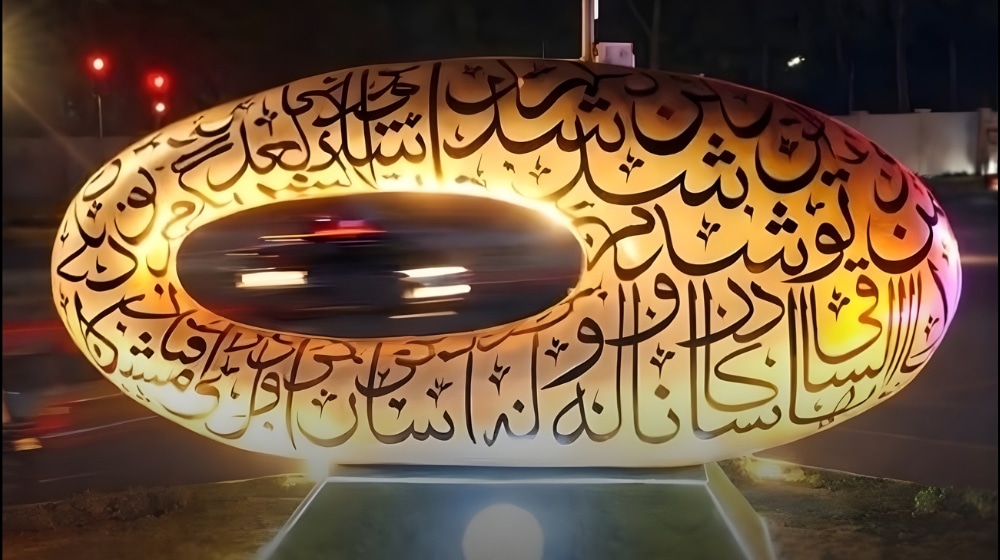
A new roadside structure in Faisalabad has ignited discussions about architectural originality and urban identity in Pakistan’s second-largest province. Installed at a busy traffic junction, the monument draws striking similarities to a renowned Dubai landmark, prompting widespread attention on social media.
While supporters praise it as a bold move toward a modern city aesthetic, critics argue it mirrors foreign design instead of showcasing local culture or civic character.
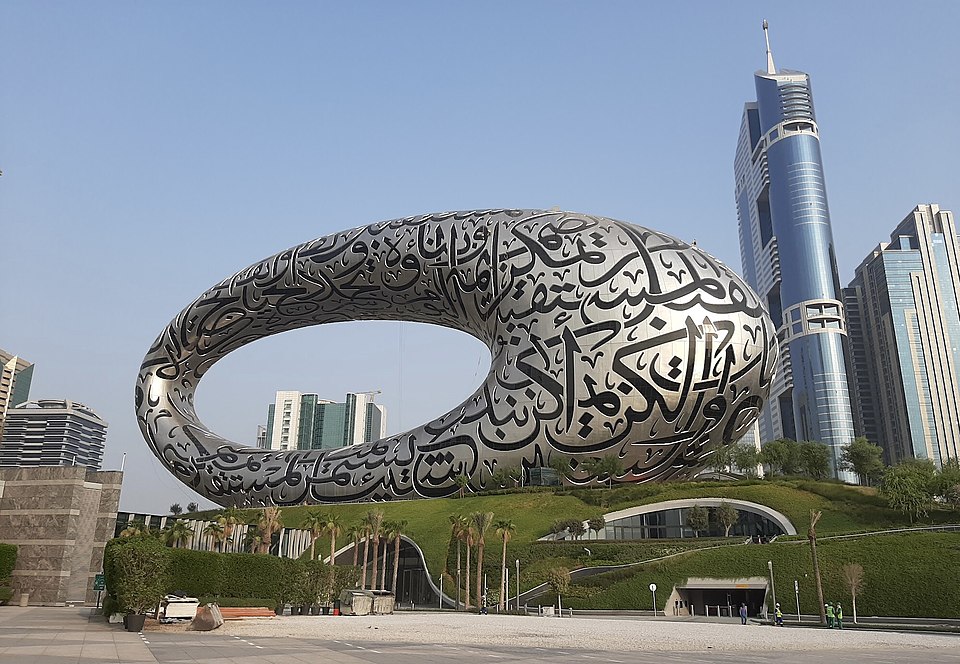
A Monument That Echoes Dubai
The Faisalabad structure resembles Dubai’s iconic torus-shaped museum and innovation center, known for its futuristic design and cultural significance.
Unlike the Dubai original, Faisalabad’s version is modest in scale and functions primarily as a decorative traffic feature. Its metallic curves and circular design make it visually striking but also highlight the debate on derivative versus original public art.
Viral Reactions and Online Debate
Images of the monument quickly spread across social media, triggering mixed reactions:
- Supporters: Praise its modern aesthetic and visual impact on urban infrastructure
- Critics: Call out the lack of originality, urging designs that reflect indigenous heritage
The discussion reveals a wider conversation about how Pakistani cities present themselves globally and the role of public art in urban identity.
Urban Identity and Civic Branding
Faisalabad’s debate mirrors broader urban planning challenges across Pakistan:
- Cities like Karachi, Lahore, and Islamabad have invested in public art, cultural districts, and modern infrastructure
- Questions arise about cultural relevance, cost, and local engagement
- Derivative designs may be seen as shortcuts to perceived modernity rather than investments in local creative capacity
Experts emphasize the importance of involving local architects, artists, and communities to ensure public installations reflect regional identity and heritage.
Public Sector Decision-Making
The Parks & Horticulture Authority of Faisalabad commissioned the monument, responsible for urban beautification and public spaces.
Critics note the project lacked transparent consultation, with little evidence of design competitions, architectural reviews, or public engagement. Transparent planning could help balance visionary aesthetics with cultural relevance and technical feasibility.
Social Media Amplifies Civic Dialogue
The monument’s viral spread demonstrates social media’s role in shaping public discourse on urban design.
- Platforms enable residents, designers, and casual observers to voice opinions
- Online debate pressures municipal authorities to justify design choices and engage communities
- Digital attention can influence future urban projects and public art policies
Economic and Urban Branding Considerations
Landmarks can boost a city’s brand, tourism, and investment potential, but Pakistan’s economic constraints raise questions about resource allocation.
- Critics argue funds could target basic infrastructure or community services
- Supporters highlight that visually appealing public spaces enhance quality of life and local commerce
- Cities globally use landmarks as symbolic assets, creating intangible benefits in attracting talent and investment
Implications for Local Cultural Expression
The Faisalabad monument raises concerns about cultural dilution:
- Borrowing international design motifs can overshadow local creative potential
- Engaging local communities and professionals ensures public art resonates with residents
- Future projects could balance modern aesthetics with cultural heritage to strengthen urban identity
Outlook for Faisalabad and Pakistani Cities
The Faisalabad debate signals a growing demand for visually appealing public spaces.
- Municipal authorities may adopt more transparent planning processes
- Collaboration with local architects and artists could enhance cultural relevance
- Residents increasingly expect cities that combine practical infrastructure with modern visual identity
Whether Faisalabad continues drawing inspiration abroad or invests in original local designs will shape the city’s civic branding in years to come.
Conclusion: Symbolism, Identity, and Public Art
Faisalabad’s Dubai-style monument exemplifies how visual symbols spark conversations about:
- Urban modernization
- Civic identity
- Public space design
- Cultural representation
As Pakistani cities evolve, the debate underscores the need for thoughtful design, public engagement, and culturally meaningful landmarks. The monument may serve as a lesson in balancing modernity with originality in urban planning.