Samsung Galaxy Watch Ultra 2 Leak Reveals Major Upgrades
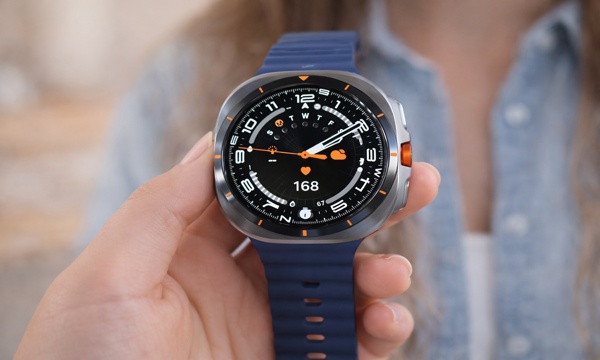
The smartwatch market is evolving rapidly, and manufacturers are now focusing on making wearables more independent and powerful. The latest Galaxy Watch Ultra 2 leak suggests that Samsung is preparing one of its biggest upgrades yet.
According to recent reports, the upcoming Galaxy Watch Ultra 2 could introduce 5G connectivity and a new high-performance processor. These upgrades signal a shift toward standalone wearable computing.
This review explores everything revealed so far and what it means for users.
A Major Step Toward Standalone Smartwatches
Smartwatches were once designed as extensions of smartphones. Their main role was to display notifications and track basic health data.
That is now changing.
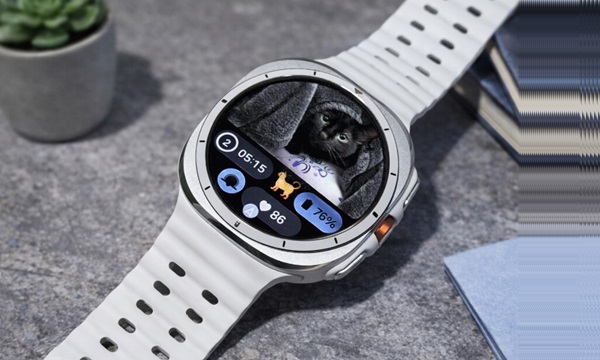
With the Galaxy Watch Ultra 2, Samsung appears to be pushing toward device independence. The goal is to reduce reliance on smartphones and allow users to perform more tasks directly from their watch.
This shift is important for:
- Fitness enthusiasts
- Travelers
- Outdoor users
It also reflects broader industry trends.
5G Connectivity: A First for Samsung Watches
One of the biggest highlights of the Galaxy Watch Ultra 2 leak is 5G support.
Current Samsung smartwatches rely on 4G LTE for cellular connectivity. While LTE is sufficient for basic tasks, 5G offers several advantages.
These include:
- Faster data speeds
- Lower latency
- Improved network efficiency
If implemented, the Galaxy Watch Ultra 2 would become Samsung’s first smartwatch with 5G.
What 5G Means for Everyday Use
In real-world usage, 5G may not drastically change how people use smartwatches immediately.
However, it opens the door to future possibilities.
These include:
- Faster app syncing
- Improved voice assistant performance
- Smoother streaming of media and audio
- Better cloud-based services
Over time, 5G could make smartwatches more capable as standalone devices.
New Processor Could Be a Game Changer
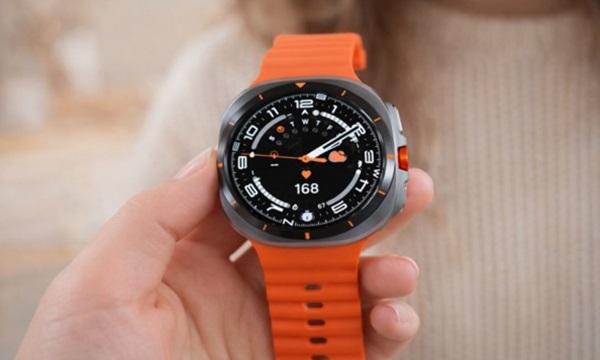
Another major highlight of the Galaxy Watch Ultra 2 leak is the expected processor upgrade.
Reports suggest Samsung may use the Snapdragon Wear Elite, developed by Qualcomm.
This chip is built on a 3nm architecture, which brings significant improvements.
Expected benefits include:
- Up to 5x faster CPU performance
- Up to 7x better graphics
- Improved power efficiency
This is a major leap compared to older wearable processors.
Impact on Performance
With a more powerful chipset, the Galaxy Watch Ultra 2 could deliver a smoother and faster experience.
Users may notice:
- Faster app launches
- Improved multitasking
- Better animation smoothness
This is especially important as smartwatches handle more complex tasks.
AI Capabilities on Wearables
The new processor is also expected to include a dedicated AI engine.
This allows the watch to process data locally instead of relying on cloud servers.
Possible AI features include:
- Real-time health monitoring
- Smart fitness insights
- Voice command processing
On-device AI also improves privacy and reduces latency.
Possible Split Strategy in Samsung Lineup
Samsung may introduce a dual-chip strategy this year.
The Galaxy Watch Ultra 2 could use the Snapdragon processor, while standard Galaxy Watch models may continue using Exynos chips.
This approach allows Samsung to:
- Differentiate premium and standard models
- Offer better performance in flagship devices
- Maintain cost efficiency in lower models
This strategy is already common in smartphones.
Expanded Connectivity Features
Beyond 5G, the new processor may support advanced connectivity technologies.
These include:
- Wi-Fi 6
- Bluetooth 6.0
- Ultra-wideband (UWB)
- Satellite communication
Satellite connectivity is particularly interesting.
It could allow users to send messages in areas without cellular coverage.
This feature is useful for:
- Hiking
- Traveling
- Emergency situations
Challenges of Advanced Hardware
Adding powerful features to a smartwatch is not easy.
Manufacturers must deal with:
- Limited internal space
- Battery constraints
- Heat management
More powerful chips and 5G connectivity can increase power consumption.
Samsung will need to optimize performance carefully to maintain battery life.
Battery Considerations
Battery life remains one of the biggest challenges for smartwatches.
While the leak focuses on performance and connectivity, battery optimization will be critical.
Samsung may rely on:
- Efficient chip design
- Software optimization
- Adaptive power management
These factors will determine real-world performance.
Market Competition
The premium smartwatch segment is highly competitive.
Samsung faces competition from:
- Apple
- Garmin
- Huawei
These brands offer advanced features and strong ecosystems.
To stay competitive, Samsung must continue innovating.
Rugged Smartwatch Segment
The Galaxy Watch Ultra series targets a specific audience.
This includes:
- Athletes
- Outdoor adventurers
- Professionals
These users require:
- Durable design
- Reliable connectivity
- Strong performance
The Ultra 2 aims to strengthen Samsung’s position in this segment.
Expected Launch Timeline
Samsung is expected to launch the Galaxy Watch Ultra 2 during its summer event.
This aligns with its usual Galaxy Unpacked schedule.
The device may launch alongside:
- New Galaxy Watch models
- Foldable smartphones
More leaks are expected as the launch date approaches.
Real-World Benefits
If the leaks are accurate, users can expect several improvements.
These include:
- Faster performance
- Better connectivity
- More advanced features
- Improved independence from smartphones
These changes make the watch more versatile.
Pros and Cons (Based on Leak)
Pros
- Possible 5G connectivity
- Powerful new processor
- Advanced AI features
- Expanded connectivity options
Cons
- Potential battery impact
- Higher cost expected
- Features depend on network availability
The Galaxy Watch Ultra 2 leak suggests a major step forward for Samsung’s wearable lineup.
With 5G and a powerful new processor, the device could become one of the most advanced smartwatches available.
While some benefits may not be immediately noticeable, the long-term potential is significant.