Game Hub Brings Windows Gaming to macOS
Gaming on Apple’s Mac devices has historically been limited. While Apple has invested in graphics APIs like Metal and some gaming infrastructure, mainstream PC games mostly remain Windows-exclusive.
Now, GameSir, a company renowned for gaming peripherals, is expanding its Game Hub platform — previously Windows-only — to macOS. The announcement on February 15, 2026, highlights the company’s push to bring PC game libraries natively to Apple hardware without relying on cloud streaming or installing Windows.
How Game Hub Changes Mac Gaming
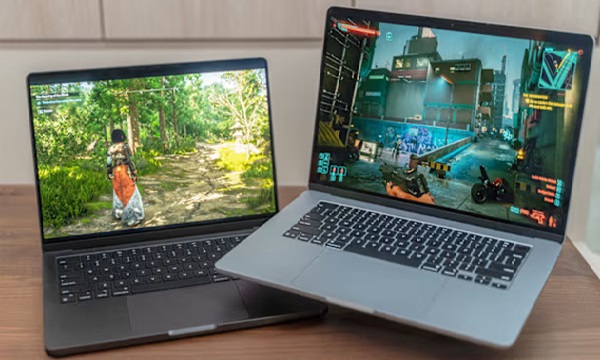
Game Hub reportedly allows users to run Windows-native games and Steam titles locally on Mac systems. Unlike cloud solutions such as NVIDIA GeForce Now or Xbox Cloud Gaming, this approach:
- Reduces latency by running games on-device
- Eliminates dependency on high-speed internet connections
- Avoids subscription or remote server reliance
This could mark a structural shift in Mac gaming, offering users access to libraries that previously required workarounds like Boot Camp or virtualization.
Technical Approach and Performance Potential
Although detailed specs are scarce, Game Hub’s macOS version appears to implement a compatibility layer or emulation system. Early statements suggest:
- No separate Windows installation required
- Local execution for better performance than cloud streaming
- Access to Steam and possibly other PC storefronts
Industry observers note that Mac gamers have historically relied on cloud gaming services to access high-end titles. By running games locally, Game Hub could offer a more seamless experience, especially for graphics-intensive AAA titles.
Why Macs Lagged in Gaming
Several factors have limited Mac gaming:
- Windows-centric game engines: Most AAA games are developed for DirectX and Windows APIs.
- Hardware-software integration: Apple prioritizes power efficiency and system stability over gaming flexibility.
- Limited native support: Even with Apple silicon, performance has improved, but game availability remains low.
Apple has made incremental moves, including the Apple Games app launched last year. Still, broad native support for mainstream titles is incomplete. Game Hub could bridge that gap by translating Windows and Steam games for macOS execution.
Implications for Users and Developers
For Mac users:
- Access to a wider library of Windows games locally
- Reduced reliance on cloud streaming or expensive Windows PCs
- Potentially higher performance for graphics-intensive titles
For developers:
- Stronger incentive to consider macOS support if user demand rises
- New tools for cross-platform deployment
- Potential to reach a previously underserved gaming audience
For Apple:
- Game Hub may complement Apple’s own gaming initiatives
- Could reduce urgency for Apple to develop native Windows gaming compatibility or expand their gaming platform independently
Competition and Market Context
Game Hub faces parallel competition from:
- Cloud gaming services (GeForce Now, Xbox Cloud)
- Virtualization and emulation tools
- Native Mac ports from developers
Its success will hinge on performance benchmarks, compatibility lists, and early adoption by gamers. If executed well, it could reshape perceptions of Mac as a viable gaming platform.
Outlook: What to Expect
Key factors for Game Hub’s impact include:
- Timing of release and early adoption
- Game compatibility across Mac models
- Developer support for seamless integration
- Performance compared to Windows PCs and cloud streaming
If Game Hub delivers on its promise, macOS gaming could move from niche to mainstream, offering Apple users a broader, more enjoyable gaming experience.
A New Era for Mac Gamers
The arrival of Game Hub on macOS signals a potential turning point for Apple devices in gaming:
- Running Windows and Steam titles locally on Macs
- Lower latency and improved performance over cloud solutions
- Expanding gaming accessibility to Apple’s growing hardware base
As benchmarks, compatibility updates, and developer support roll out, Mac gamers may finally get a taste of the PC library on Apple hardware, fundamentally shifting the Mac gaming landscape.