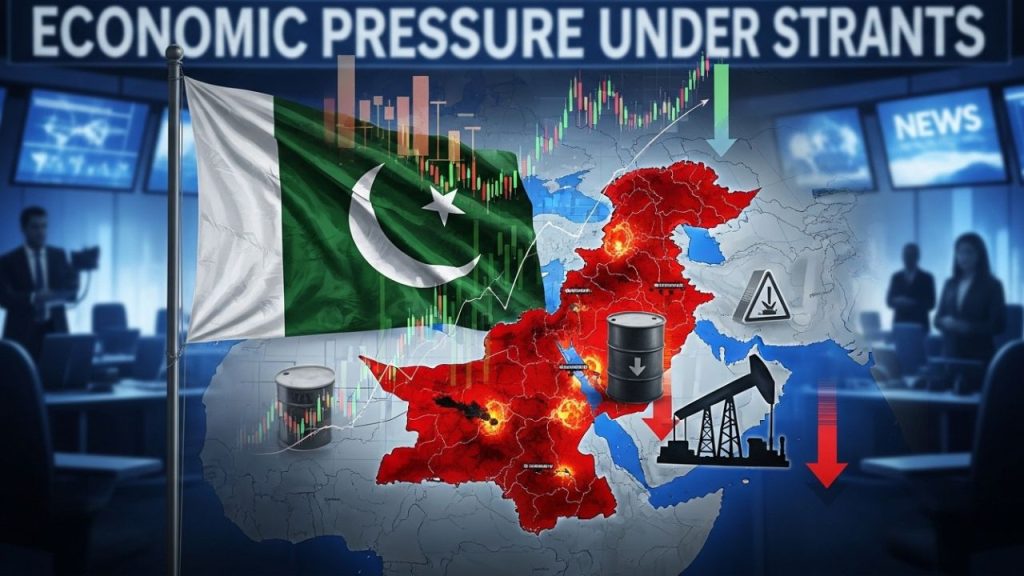
Geopolitical developments in the Middle East have always extended their influence far beyond the region itself. For countries like Pakistan, these developments are not distant events but factors that directly shape economic stability, policy decisions, and everyday life. Although Pakistan is not a direct participant in regional conflicts, its strong economic, energy, and labor connections to the Middle East make it particularly sensitive to any form of instability in that region.
The effects of Middle East tensions on Pakistan are often indirect, emerging gradually through rising costs, shifting policies, and disruptions in trade and travel. Understanding these connections is essential to grasp why events occurring thousands of kilometers away can still influence Pakistan’s domestic environment.
Why Middle East Developments Matter for Pakistan
Pakistan’s relationship with the Middle East is built on a combination of economic necessity and strategic cooperation. The country relies heavily on the region for energy imports, maintains strong labor ties through its overseas workforce, and depends on trade routes that pass through sensitive geopolitical zones.
When tensions rise in the Middle East, these connections become vulnerable. Even without direct conflict involvement, Pakistan experiences ripple effects that can impact multiple sectors simultaneously.
These effects are rarely immediate shocks. Instead, they appear gradually, affecting planning, pricing, and economic confidence over time.
Energy Dependence Creates Immediate Pressure
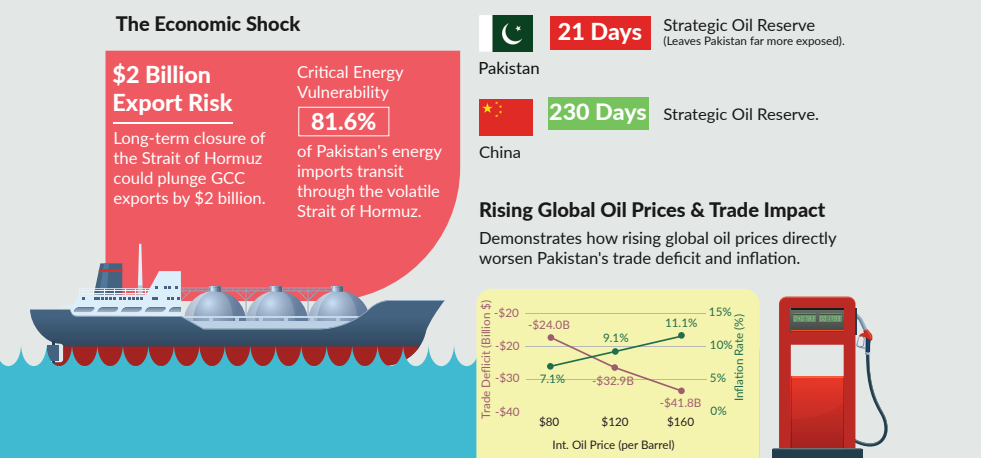
One of the most significant ways Middle East tensions affect Pakistan is through energy markets. The global oil supply is closely linked to Middle Eastern production, making the region a critical factor in determining fuel prices worldwide.
Whenever geopolitical instability increases, oil prices tend to rise due to fears of supply disruptions. For Pakistan, which imports a large portion of its energy needs, this leads to higher import bills.
These increased costs directly affect the country’s foreign exchange reserves. As Pakistan spends more on fuel imports, pressure builds on the national currency and overall economic stability.
At the domestic level, higher oil prices translate into increased fuel costs. This affects transportation, electricity generation, and industrial production, ultimately leading to inflation.
Over time, sustained energy price volatility can complicate government budgeting and force policymakers to make difficult decisions regarding subsidies and taxation.
Impact on Trade and Shipping Routes
Trade and logistics form another critical channel through which Middle East tensions influence Pakistan. The region is home to key maritime routes that facilitate global trade.
When tensions escalate, shipping costs often increase due to higher insurance premiums and security risks. Shipping companies may also adjust routes to avoid conflict zones, leading to longer transit times.
For Pakistan, these changes can result in higher import costs and delays in receiving goods. Exporters may also face challenges in meeting deadlines, which can affect competitiveness in international markets.
Industries that rely on imported raw materials may experience disruptions, leading to production delays and increased costs. Over time, these challenges can weaken economic performance and business confidence.
Overseas Employment and Remittances
A major link between Pakistan and the Middle East is its overseas workforce. Millions of Pakistanis work in Gulf countries, contributing significantly to the country’s economy through remittances.
These remittances are a vital source of foreign exchange and support millions of households across Pakistan.
While employment markets in the Middle East are generally stable, prolonged tensions can create uncertainty. Infrastructure projects may slow down, hiring decisions may be delayed, and wage growth could be affected.
Even small changes in employment conditions can impact remittance flows over time. For Pakistan, this makes Middle East developments important not just at a national level but also for individual families.
Air Travel and Connectivity Disruptions
Another area affected by Middle East tensions is international air travel. Airlines often adjust routes to avoid conflict zones, which can increase travel time and fuel consumption.
In some cases, flights may be canceled or rescheduled due to safety concerns. This can disrupt both passenger travel and cargo movement.
For Pakistan, reduced air connectivity can affect tourism, business travel, and international trade. Cargo delays can impact industries that rely on timely shipments, such as textiles and perishable goods.
Although these disruptions are usually temporary, they highlight how geopolitical tensions can interfere with routine activities.
Diplomatic Challenges and Strategic Positioning
Pakistan has traditionally maintained a balanced diplomatic approach in the Middle East. During periods of tension, the country often emphasizes neutrality, dialogue, and peaceful resolution.
However, managing diplomatic relations becomes more complex when multiple regional and global powers are involved. Pakistan must carefully navigate its relationships to avoid taking sides while protecting its economic interests.
This balancing act requires careful policy decisions and strategic planning. Diplomatic choices can influence trade agreements, investment opportunities, and international partnerships.
Impact on Daily Life in Pakistan
For ordinary citizens, the effects of Middle East tensions may not always be immediately visible, but they are certainly felt over time.
Rising fuel prices can lead to higher transportation costs, which in turn affect food prices and other essential goods. Inflation can reduce purchasing power, making daily expenses more challenging to manage.
Businesses may pass on increased costs to consumers, further contributing to economic pressure. Households that rely on remittances may also experience uncertainty if overseas income becomes unstable.
These gradual changes highlight how global events can influence everyday life in subtle but meaningful ways.
Government Policy Responses
During periods of geopolitical tension, the Pakistani government often takes measures to manage economic impact. These may include adjusting fuel prices, providing subsidies, or seeking financial support from international institutions.
Policy decisions must balance multiple factors, including inflation control, fiscal stability, and public welfare. This becomes particularly challenging when external factors like oil prices remain unpredictable.
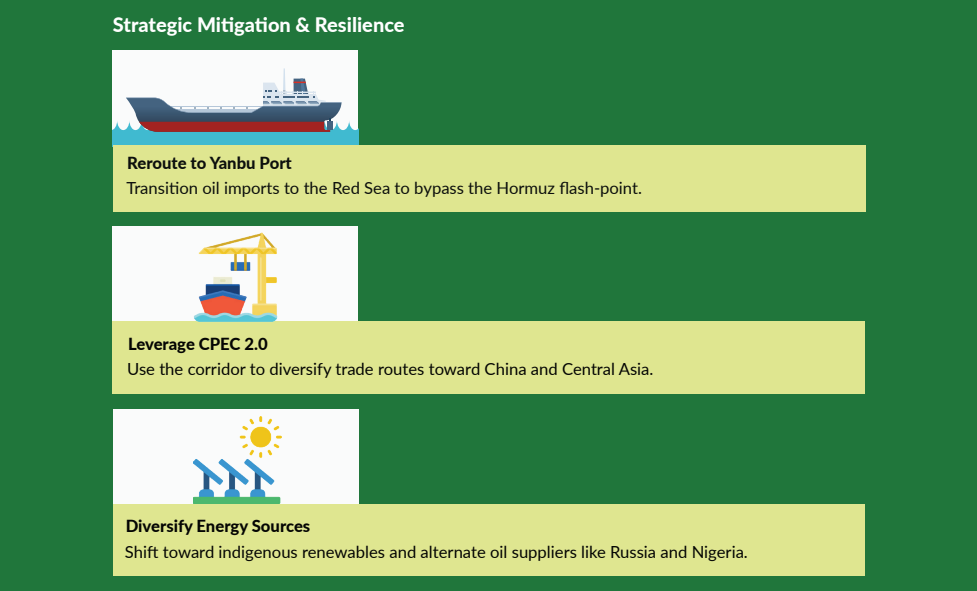
Long-term strategies may also focus on reducing dependence on imported energy through renewable resources and local production.
Broader Economic Implications
The cumulative effect of Middle East tensions on Pakistan’s economy can be significant. Increased import costs, disrupted trade, and fluctuating remittances all contribute to economic uncertainty.
This can affect investment decisions, business confidence, and overall economic growth. Companies may delay expansion plans, while investors may adopt a cautious approach.
Over time, these factors can slow down economic progress and create additional challenges for policymakers.
What to Watch Moving Forward
As Middle East tensions continue to evolve, several key indicators remain important for Pakistan:
- Trends in global oil prices
- Government fuel pricing decisions
- Changes in shipping and logistics costs
- Airline route adjustments and travel advisories
- Remittance flow patterns
Monitoring these factors can provide early insights into how external developments may impact the country.
The impact of Middle East tensions on Pakistan highlights the interconnected nature of the global economy. Even without direct involvement in conflicts, countries like Pakistan can experience significant effects through energy markets, trade routes, and labor connections.
The relationship between Pakistan and the Middle East ensures that regional developments will continue to influence domestic conditions. While these effects are often gradual, they play a crucial role in shaping economic stability and policy decisions.
As the global landscape evolves, Pakistan’s ability to adapt to external challenges will remain key to maintaining resilience and sustainable growth.