Can NAD+ Supplements Slow Aging? Science Explained
Aging is a natural process that every human experiences, but science is constantly searching for ways to slow it down. In recent years, one molecule has gained significant attention in longevity research — nicotinamide adenine dinucleotide (NAD+).
Often linked with energy production and cellular repair, NAD+ is now being explored as a potential key to slowing aging and improving overall health. But how much of this is real science, and how much is hype?
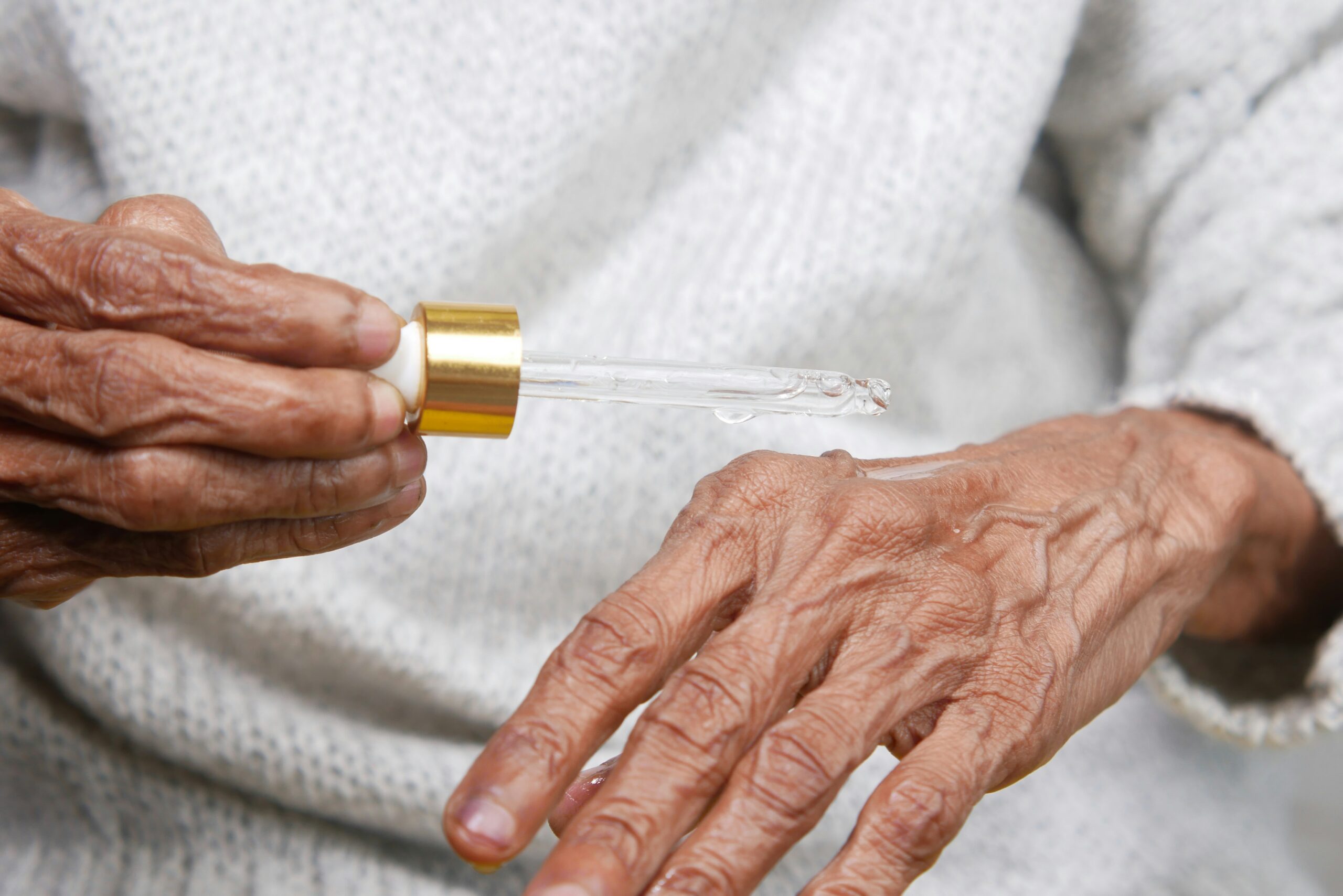
Let’s break it down in simple terms.
What Is NAD+?
NAD+ is a coenzyme found in every living cell of your body. It plays a vital role in keeping your cells functioning properly.
It is partly derived from vitamin B3 (niacin) and is essential for several biological processes, including:
- Energy production in cells
- DNA repair
- Cellular communication
- Stress response regulation
Without NAD+, your cells wouldn’t be able to perform basic functions needed for survival.
Why Is NAD+ So Important for Your Body?
To understand NAD+, you need to understand how your body generates energy.
Inside each cell are structures called mitochondria, often referred to as the “powerhouses” of the cell. NAD+ helps these mitochondria convert food into energy.
But that’s not all.
NAD+ also activates important proteins like:
- Sirtuins – help control inflammation and aging
- PARPs – involved in DNA repair and immune response
These processes are essential for maintaining healthy cells and preventing damage over time.
What Happens to NAD+ Levels as You Age?
As you grow older, your NAD+ levels naturally decline.
This reduction can lead to:
- Decreased energy production
- Poor mitochondrial function
- Increased cellular damage
- Higher levels of inflammation
All of these factors are strongly associated with aging and age-related diseases.
In simple words, less NAD+ means your cells become less efficient and more vulnerable to damage.
What Does Science Say About NAD+ and Aging?
Recent scientific research has highlighted the role of NAD+ in aging.
Studies suggest that declining NAD+ levels may contribute to:
- Reduced cellular repair
- Increased oxidative stress
- Loss of metabolic efficiency
Some research even shows that restoring NAD+ levels in animals can improve certain aspects of aging.
However, it’s important to understand that human research is still limited.
While early findings are promising, scientists have not yet confirmed that increasing NAD+ directly extends human lifespan.
Can You Get NAD+ from Food?
This is where things get a bit tricky.
You cannot directly absorb NAD+ from food in significant amounts. Instead, your body produces it from certain nutrients known as precursors.
These include:
- Vitamin B3 (niacin)
- Nicotinamide
- Tryptophan (an amino acid)
- Nicotinamide riboside (NR)
- Nicotinamide mononucleotide (NMN)
Foods that support NAD+ production include:
- Meat and fish
- Eggs
- Dairy products
- Green vegetables
- Whole grains
Even though these foods help, they may not be enough to fully restore declining NAD+ levels as you age.
What Are NAD+ Supplements?
NAD+ supplements are designed to increase NAD levels in the body.
Since NAD+ itself is not easily absorbed, supplements usually contain its precursors, such as:
- NR (Nicotinamide Riboside)
- NMN (Nicotinamide Mononucleotide)
These compounds are converted into NAD+ inside your body.
Some clinics also offer intravenous (IV) NAD+ therapy, although this is less common and more expensive.
Do NAD+ Supplements Really Work?
This is the big question.
Research shows that NAD+ supplements can:
- Increase NAD+ levels in the body
- Improve mitochondrial function
- Support metabolic health
These benefits suggest that NAD+ may help maintain cellular health.
However, there is a catch.
There is no strong clinical evidence yet proving that NAD+ supplements can slow aging or extend human lifespan.
Most of the strong results come from animal studies, not humans.
Limitations and Risks of NAD+ Supplements
While NAD+ supplements are generally considered safe, they are not a miracle solution.
Here are some important points to consider:
1. No Proven Anti-Aging Cure
There is currently no supplement that can completely stop or reverse aging.
2. Limited Long-Term Data
Scientists still don’t know the long-term effects of NAD+ supplementation in humans.
3. Expensive Options
Some forms, especially IV therapy, can be costly and not accessible for everyone.
4. Overhyped Marketing
Many companies promote NAD+ as a “fountain of youth,” which is not scientifically proven.
Expert Insight on NAD+ and Longevity
Longevity experts emphasize a balanced view.
While boosting NAD+ levels may support:
- Cellular energy
- DNA repair
- Metabolic health
It should not be seen as a standalone solution.
Instead, it should be part of a broader strategy that includes:
- Healthy diet
- Regular exercise
- Good sleep
- Stress management

Natural Ways to Support NAD+ Levels
If you’re not ready to try supplements, there are natural ways to maintain NAD+ levels.
Exercise Regularly
Physical activity boosts mitochondrial function and NAD+ production.
Eat a Balanced Diet
Include foods rich in vitamin B3 and amino acids.
Get Enough Sleep
Sleep is essential for cellular repair and recovery.
Try Intermittent Fasting
Some studies suggest fasting may increase NAD+ levels.
Manage Stress
Chronic stress can deplete NAD+ and harm overall health.
NAD+ vs Aging: The Reality
Let’s be clear.
NAD+ is incredibly important for your body, and maintaining healthy levels is beneficial.
But:
- It is not a magic anti-aging pill
- It does not guarantee longer life
- It works best as part of a healthy lifestyle
Think of NAD+ as a support system for your cells, not a cure for aging.
Should You Take NAD+ Supplements?
If you are considering NAD+ supplements, here are a few guidelines:
Consider Them If:
- You want to support energy and metabolism
- You are interested in preventive health
- You understand the limitations
Be Careful If:
- You expect dramatic anti-aging results
- You rely only on supplements for health
- You ignore lifestyle factors
It’s always best to consult a healthcare professional before starting any supplement.
NAD+ has opened an exciting new chapter in aging research.
It plays a critical role in:
- Energy production
- DNA repair
- Cellular health
While supplements can boost NAD+ levels, the claim that they can significantly slow aging in humans is still unproven.
For now, the smartest approach is to combine:
- Healthy lifestyle habits
- Balanced nutrition
- Scientific awareness
As research continues, we may discover more about NAD+ and its true potential in human longevity.