Pakistan’s technology landscape is once again under scrutiny following three significant developments that, at first glance, appear unrelated but collectively raise deeper questions about the country’s long-term digital direction. From the reported cancellation of an ambitious internet firewall project to potential involvement in global smartphone supply chains and a major artificial intelligence acquisition abroad, these shifts highlight both opportunity and uncertainty.
Individually, each story reflects movement within Pakistan’s evolving tech ecosystem. Together, however, they reveal a more complex narrative—one that revolves around policy consistency, economic priorities, and the country’s ability to position itself in a rapidly changing global technology environment.
Internet Firewall Project Ends Before 5G Push
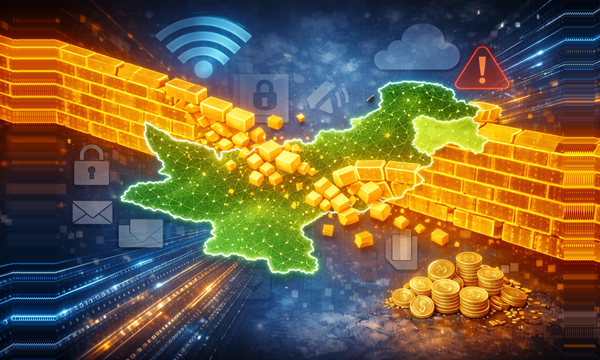
The reported decision by the government to abandon its controversial internet firewall project marks a major turning point in Pakistan’s digital policy landscape. The firewall, which reportedly cost around Rs40 billion, was designed to monitor and regulate social media traffic. However, technical limitations and operational challenges appear to have undermined its effectiveness.
Over the past two years, Pakistan has experienced noticeable internet slowdowns and disruptions. Industry stakeholders, including freelancers, IT exporters, and digital entrepreneurs, have repeatedly raised concerns about declining connectivity quality. These disruptions did not just affect user experience—they had measurable economic consequences.
Pakistan ranked among the countries with the highest economic losses from internet shutdowns and disruptions in 2024. The IT and digital services sector alone reportedly lost around $1.62 billion. For a country that increasingly relies on digital exports and remote work, such losses highlight the critical importance of stable and reliable internet infrastructure.
The timing of the firewall’s cancellation is particularly significant. With a 5G spectrum auction on the horizon, maintaining strong network performance has become a strategic priority. Persistent connectivity issues could discourage foreign telecom operators from participating, potentially limiting investment and slowing technological progress.
This decision suggests a reactive policy adjustment rather than a proactive strategy. Instead of a comprehensive reassessment of digital governance, the move appears driven by immediate economic and investment concerns.
Pakistan’s Potential Entry Into Apple’s Supply Chain
The second development introduces a different dimension to Pakistan’s tech narrative. Reports indicate that Pakistan may become part of Apple Inc.’s extended supply and refurbishment chain. According to these reports, the country could host operations for manufacturing new iPhones as well as repairing used devices for re-export.
If realized, this initiative could create employment opportunities and provide local workers with exposure to global manufacturing standards. It may also strengthen Pakistan’s position as a participant in international technology supply chains.
However, it is important to note that Apple has not officially confirmed these plans. Details regarding scale, timelines, and local partnerships remain unclear. Similar third-party manufacturing and refurbishment models already exist in several emerging markets, often driven by cost advantages rather than strategic investment in innovation.
This distinction is crucial. Participation in assembly and refurbishment does not necessarily translate into technological advancement. Such roles are typically labor-intensive and offer limited opportunities for research, development, or intellectual property creation.
While the prospect of joining a global supply chain is encouraging, it raises an important question: can Pakistan move beyond cost-driven participation to become a center for innovation and design?
Global AI Investment Highlights a Stark Contrast
The third development shifts the focus to the global stage. Apple’s reported $6 billion acquisition of an Israeli audio AI startup underscores where major technology investments are currently flowing. These investments are concentrated in regions with strong research ecosystems, robust intellectual property protections, and consistent regulatory frameworks.
The acquisition reflects Apple’s broader strategy to enhance its artificial intelligence capabilities, particularly in areas such as audio processing and contextual computing. It also highlights the importance of innovation-driven ecosystems in attracting high-value investments.
For Pakistan, this serves as a point of comparison. While the country is exploring opportunities in manufacturing and services, it has yet to establish itself as a hub for advanced technological research. The gap between cost-based participation and innovation-led growth remains significant.
This contrast is not merely about resources—it is about ecosystem development. Countries that attract cutting-edge investments typically offer a combination of skilled talent, stable policies, and long-term strategic vision.
Hardware Participation Without Deep Integration
When viewed together, these developments reveal a pattern. Pakistan is making efforts to engage with the global technology ecosystem, but much of this engagement remains surface-level. Manufacturing and refurbishment initiatives provide economic benefits, but they do not necessarily lead to deeper integration into the innovation economy.
This model is not unique to Pakistan. Many emerging markets begin their technology journeys through assembly and services. However, the challenge lies in transitioning from these roles to higher-value activities such as research, product development, and intellectual property creation.
Without this transition, the country risks remaining on the periphery of the global technology landscape. The potential involvement in Apple’s supply chain, while positive, must be seen as a starting point rather than an endpoint.
The Firewall Episode as a Policy Lesson
The internet firewall project offers important lessons about policy design and implementation. Large-scale digital initiatives require not only technical expertise but also a clear understanding of economic impact and user behavior.
In this case, the project appears to have been implemented without sufficient consideration of its broader consequences. The resulting disruptions affected key sectors of the economy, undermining confidence in the country’s digital infrastructure.
The eventual decision to abandon the project highlights the cost of such missteps. It also underscores the importance of aligning policy decisions with long-term strategic goals rather than short-term objectives.
For Pakistan, building a credible digital environment will require greater consistency in policymaking, as well as stronger collaboration between government, industry, and technical experts.
A Pattern of Reactive Decision-Making
One of the most striking aspects of these developments is the absence of a unified strategy. Each decision appears to address a specific issue—connectivity problems, economic opportunities, or global trends—without being part of a broader, coordinated framework.
This reactive approach can limit long-term progress. While it allows for quick responses to immediate challenges, it often results in fragmented outcomes that fail to build momentum.
In contrast, countries that have successfully developed their technology sectors tend to follow clear, long-term strategies. These strategies align policy, infrastructure, education, and investment, creating an environment where innovation can thrive.
Pakistan’s current trajectory suggests that such alignment is still a work in progress.
The Role of 5G and Future Connectivity
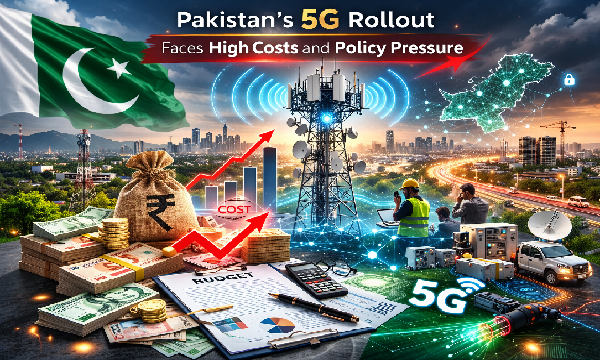
The upcoming 5G rollout represents a critical opportunity for Pakistan. High-speed connectivity has the potential to transform industries, from healthcare and education to manufacturing and logistics.
However, the success of 5G depends on more than just infrastructure. It requires a supportive ecosystem that includes reliable policies, skilled workforce, and strong industry partnerships.
The decision to scrap the firewall ahead of the 5G auction indicates an awareness of these requirements. Ensuring stable and high-quality connectivity will be essential for attracting investment and enabling innovation.
Opportunities and Challenges Ahead
Despite the uncertainties, Pakistan’s technology sector holds significant potential. The country has a growing pool of young, tech-savvy talent and an expanding digital economy. Freelancers, startups, and IT exporters continue to demonstrate resilience and adaptability.
At the same time, challenges remain. Policy inconsistency, infrastructure limitations, and limited investment in research and development continue to hinder progress.
Addressing these challenges will require a shift in approach. Instead of isolated initiatives, Pakistan needs a comprehensive strategy that integrates all aspects of the technology ecosystem.
Final Analysis: Progress, Contradiction, or Transition?
So, do these three developments signal progress, contradiction, or transition? The answer likely lies somewhere in between.
There are clear signs of progress. The willingness to abandon a problematic policy, explore global partnerships, and prepare for 5G indicates movement in the right direction. At the same time, contradictions remain. Efforts to integrate into global supply chains coexist with policy decisions that have previously disrupted the digital economy.
Ultimately, these developments point to a period of transition. Pakistan is navigating the complexities of building a modern technology ecosystem, balancing immediate needs with long-term aspirations.
The key question is whether this transition will lead to a more coherent and forward-looking strategy. Can Pakistan move beyond reactive decision-making to establish itself as a meaningful player in the global technology landscape?
The answer will depend on how effectively the country aligns its policies, investments, and ambitions in the years ahead.