The idea that gut health can influence brain function has rapidly moved from theory to scientific reality. Researchers are increasingly finding that the trillions of microbes living in the digestive system may play a crucial role in maintaining cognitive health, especially as people age.
A recent review published in Nutrition Research explores how modifying the gut microbiome through probiotics, dietary changes, and other interventions may improve brain function. The findings suggest that these strategies could help slow cognitive decline and support overall mental performance.

Why Gut Health Matters for Brain Function
The gut microbiome is made up of trillions of bacteria that support digestion, produce vitamins, and regulate the immune system. However, their role extends far beyond physical health.
Scientists have identified a strong communication system between the gut and the brain, known as the gut-brain axis. According to the National Institute of Mental Health, this connection works through neural pathways, immune responses, and chemical signals.
This means that changes in gut bacteria can directly influence mood, memory, and cognitive abilities.
Understanding Cognitive Decline with Age
As people grow older, some degree of cognitive decline is expected. However, in certain cases, this decline becomes more severe and may lead to conditions like dementia.
Health experts at the Alzheimer’s Association highlight that lifestyle factors, including diet and overall health, play a significant role in preserving brain function.
This has led researchers to investigate whether improving gut health could be a practical way to reduce the risk of cognitive decline.
How the Gut Microbiome Influences the Brain
The gut microbiome impacts brain health through several important mechanisms. One of the most significant is inflammation. Chronic inflammation in the brain has been linked to memory loss and cognitive disorders, and a healthy gut may help reduce this risk.
Another key factor is neurotransmitter activity. Gut bacteria influence the production of important brain chemicals like serotonin and dopamine, which affect mood and cognitive performance.
Additionally, gut microbes produce short-chain fatty acids (SCFAs), which play a protective role in brain health. Research highlighted by the Harvard T.H. Chan School of Public Health explains how these compounds support communication between the gut and the brain.
Do Probiotics Help Improve Brain Health?
Probiotics are live microorganisms that provide health benefits when consumed in adequate amounts. They are commonly found in supplements and fermented foods.
According to the World Health Organization, probiotics are widely used to support digestive health, although their impact on other areas is still being studied.
The review suggests that probiotics and synbiotics may improve cognitive functions such as memory, attention, and verbal fluency. They also appear to increase the diversity of gut bacteria, which is an important indicator of overall gut health.
However, because each person has a unique microbiome, the effectiveness of probiotics can vary significantly.
The Role of Diet in Supporting Brain Health
While probiotics are popular, diet plays a more consistent role in shaping the gut microbiome. What you eat directly influences the balance of bacteria in your gut.
Experts from Harvard Health emphasize that a diet rich in fruits, vegetables, whole grains, and healthy fats can promote beneficial gut bacteria.
The review examined several dietary approaches, including the Mediterranean diet, ketogenic diet, and nutrient-based strategies involving omega-3 fatty acids and B vitamins. These diets were linked to improved gut health, reduced inflammation, and better cognitive performance.
Fiber is especially important because it serves as food for beneficial bacteria. Without enough fiber, these microbes struggle to thrive.
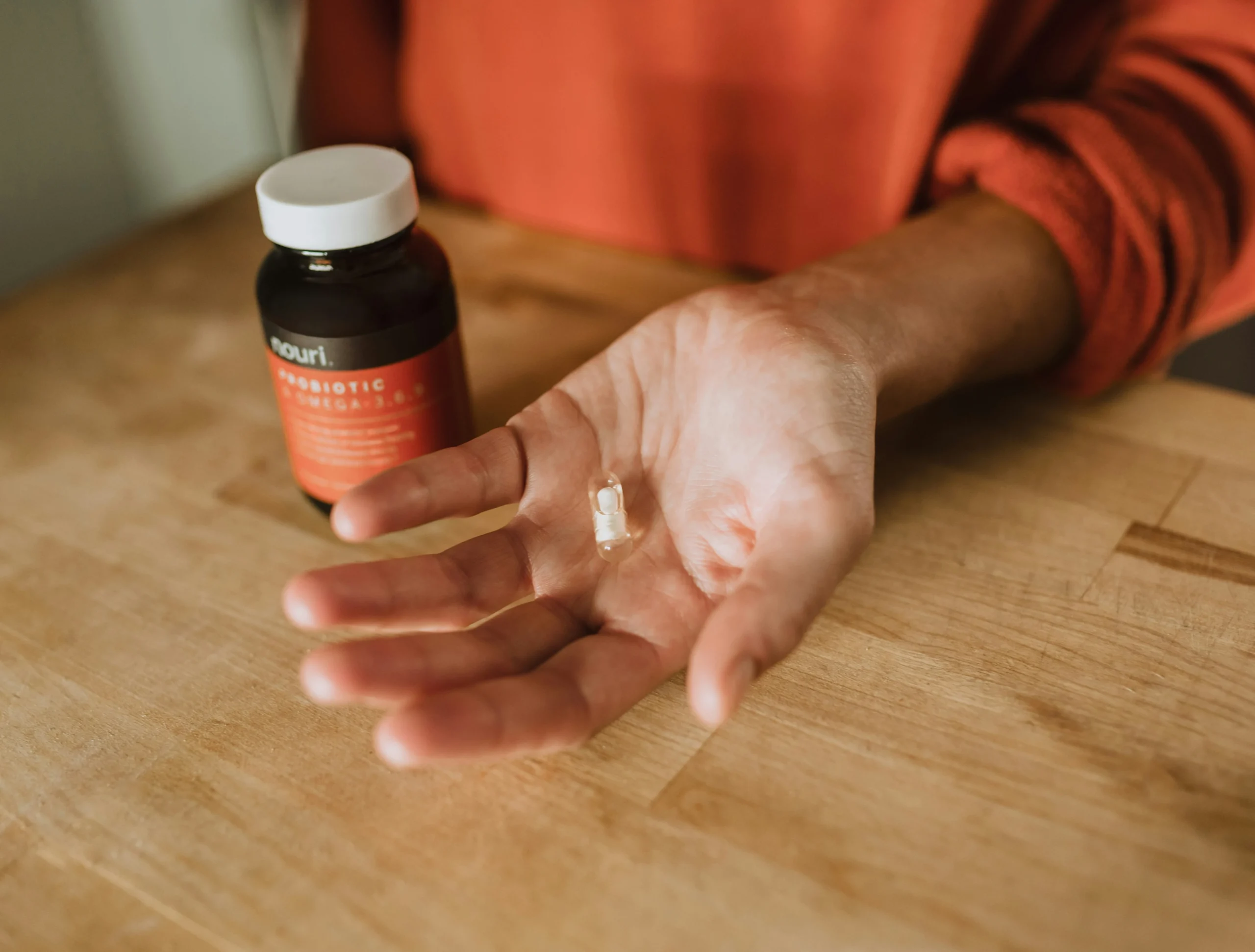
Prebiotics and Synbiotics Explained
Prebiotics are types of fiber that nourish beneficial bacteria in the gut. When combined with probiotics, they form synbiotics, which may offer enhanced health benefits.
The review found that these approaches could improve working memory, mental flexibility, and communication skills. They also help maintain a diverse microbiome, which is essential for long-term brain health.
Fecal Microbiota Transplant: A New Possibility
Fecal microbiota transplantation (FMT) is an emerging technique that involves transferring beneficial bacteria from a healthy donor to another individual.
Although still under investigation, early findings are promising. Research available through NCBI suggests that FMT may rapidly alter the gut microbiome and potentially improve cognitive function in certain cases.
However, this approach is still experimental and not widely accessible.
Limitations of Current Research
Despite encouraging results, this field is still in its early stages. Many of the studies included in the review were small and short-term.
The National Institutes of Health notes that microbiome-based treatments may need to be personalized, as individuals respond differently to these interventions.
More large-scale research is necessary to fully understand how these strategies can be used effectively.
Practical Ways to Support Gut and Brain Health
For now, the most effective approach is to focus on diet and lifestyle changes that support a healthy microbiome.
Eating a wide variety of plant-based foods can help maintain gut diversity. Guidance from the Academy of Nutrition and Dietetics recommends consuming different types of fiber to support beneficial bacteria.
At the same time, reducing ultra-processed foods can help prevent the growth of harmful microbes and improve overall health.
The Future of Brain Health and the Microbiome
The connection between gut health and brain function is reshaping how scientists approach cognitive decline. What was once considered unlikely is now a rapidly growing field of study.
In the future, targeted microbiome therapies may become part of standard care for maintaining brain health and preventing neurological diseases.
Conclusion
The gut microbiome plays a critical role in overall health, including brain function. Probiotics, prebiotics, and dietary changes all have the potential to support cognitive health by improving the balance of gut bacteria.
Although more research is needed, current findings suggest that maintaining a healthy gut could be one of the most effective ways to protect your brain as you age.