Samsung Galaxy S26 to Enable Full Device Control Using Voice Commands
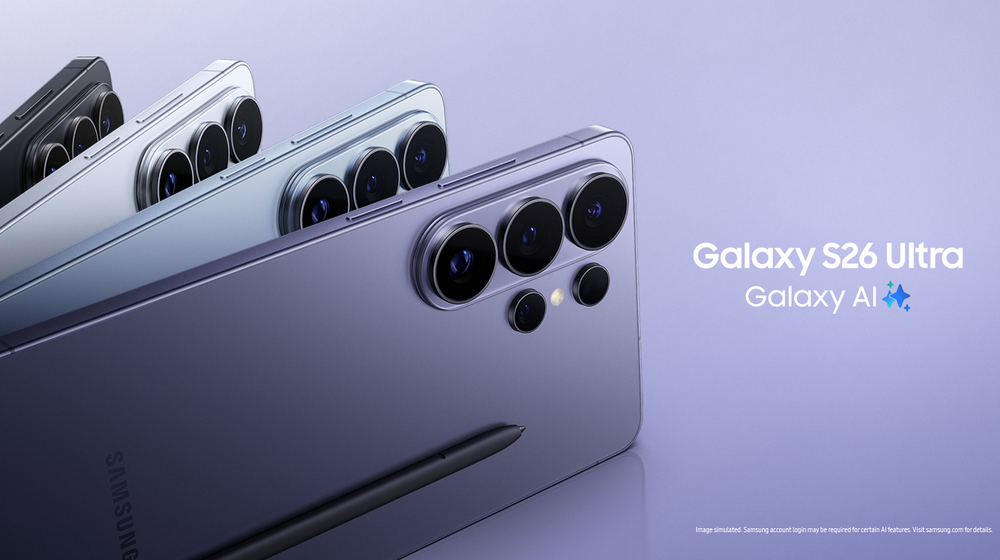
The smartphone industry is entering a pivotal shift as Samsung prepares the Galaxy S26, expected in early 2026. While smartphones have evolved with bigger screens, sharper cameras, and faster processors, the primary interaction method—touchscreens—has remained largely unchanged. The Galaxy S26, however, may challenge that status quo by enabling near-complete device control through voice commands, signaling a major leap toward AI-driven usability.
This move is not only driven by technology but also by competitive pressures. With AI becoming central to user experience, Samsung is aiming to redefine how consumers interact with their phones.
Voice Control: From Helper to Primary Interface
Voice assistants have existed for over a decade, handling simple tasks like setting alarms, sending messages, or making calls. Yet, they still largely depend on touch for deeper navigation.
The Galaxy S26 may change this paradigm. Reports suggest it could allow users to:
- Navigate apps and system menus
- Manage multitasking
- Adjust device settings
All through spoken commands. This would make voice a primary control layer, rather than just a helper.
Advances in on-device AI and large language models make this possible, allowing the system to understand user intent rather than rely solely on fixed commands.
Why Samsung Is Well-Positioned
Samsung, the world’s largest smartphone maker by volume, has the scale and resources to experiment with ambitious AI features. Controlling much of its own hardware stack—from processors to displays—gives Samsung the flexibility to integrate hardware, software, and AI models seamlessly.
Previous Samsung features already rely heavily on AI:
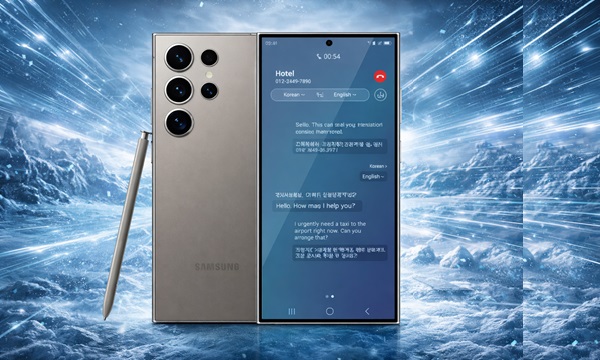
- Real-time translation
- Contextual photo editing
- Adaptive battery management
A voice-first control system would naturally build on these capabilities.
The Technology Behind Full Voice Control
Several technological developments make full voice control feasible:
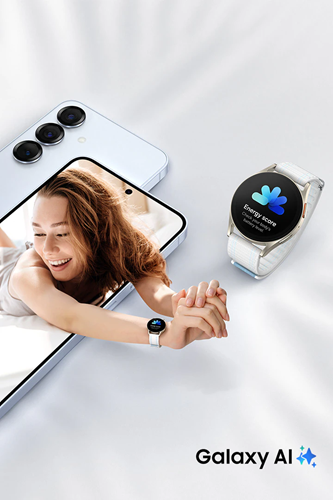
- On-device AI: Neural processing units handle complex language tasks locally, reducing cloud dependency.
- Contextual awareness: The system remembers conversation context, enabling commands like “reply to the last message” without repetition.
- Enhanced speech recognition: Multilingual modeling and noise suppression improve accuracy across accents and environments.
These improvements address major limitations of previous voice assistants, making hands-free operation more practical.
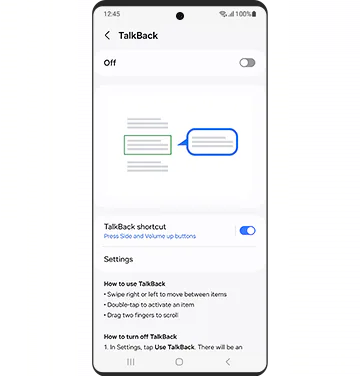
Accessibility as a Driving Factor
Voice control enhances accessibility, particularly for users with:
- Limited mobility
- Visual impairments
- Repetitive strain injuries
A phone fully operable by voice promotes inclusive design and aligns with Samsung’s accessibility initiatives.
Competitive Pressure from AI-Centric Rivals
Samsung’s push is also influenced by competitors:
- Google: Expanding voice and AI integration in Android
- Apple: Expected upgrades in Siri for conversational intelligence
- Chinese brands: Experimenting with AI-driven interfaces
In this environment, the Galaxy S26 could stand out if executed well.
Implications for App Developers
Developers may need to rethink app navigation and functionality for voice-first interaction. Commands like:
- “Book my usual ride”
- “Edit this photo to look warmer”
require apps to expose functions clearly for AI interpretation. This shift may accelerate intent-based APIs, simplifying user experiences but increasing integration complexity.
Privacy and Trust Considerations
Full voice control raises privacy questions. Continuous listening, even on-device, can concern users. Samsung has emphasized:
- Local processing of voice data
- Granular permission controls
- Offline operation options
These measures will be critical to user trust and adoption.
Battery Life and Performance
Running advanced AI models consumes energy. Samsung is expected to:
- Activate intensive AI processing only when needed
- Improve battery management and efficiency
- Combine voice and touch for hybrid interaction during early adoption
Integration with Samsung’s Software and Ecosystem
Samsung’s One UI has moved toward predictive automation and intelligent suggestions. Voice control fits this trajectory, letting users describe desired outcomes rather than mastering menus or gestures.
This approach could extend beyond smartphones to:
- Wearables
- Smart home devices
- Connected appliances
Creating a unified, voice-driven ecosystem.
Market Reception and Challenges
Successful voice control depends on:
- Accuracy across languages and environments
- Seamless integration with apps
- User-friendly onboarding
Poor execution could limit adoption, making education and gradual feature rollout crucial.
Looking Ahead
The Galaxy S26 is still upcoming, but indications point to a major shift in smartphone interaction. Touchscreens will remain, but voice, powered by AI, may emerge as the primary interface.
Samsung faces the challenge of making this interaction natural, reliable, and genuinely useful. If successful, the Galaxy S26 could redefine what consumers expect from mobile devices in 2026.