WhatsApp Tests Real-Time Chat Translation
A New Step Toward Seamless Global Communication
Messaging apps are evolving rapidly, and real-time translation is becoming a key feature in breaking language barriers. Recent reports suggest that WhatsApp is testing a built-in chat translation feature, allowing users to communicate across languages without leaving the app.
If introduced widely, this feature could significantly improve how people interact globally, making conversations smoother and more accessible within one of the most widely used messaging platforms.
Built-In Translation Could Transform Messaging
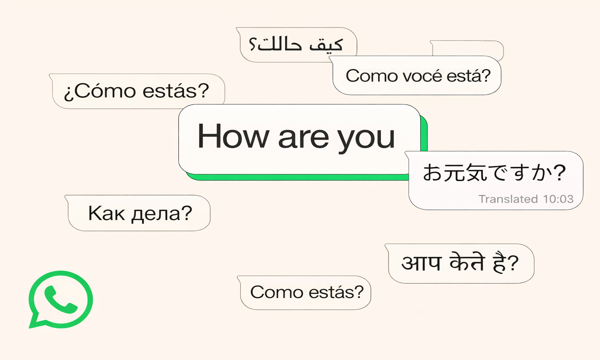
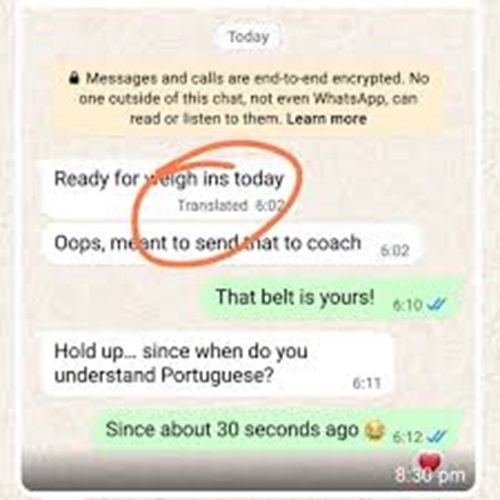
Currently, users often rely on external apps to translate messages by copying and pasting text. WhatsApp’s new feature aims to eliminate this extra step by offering instant translation directly inside chats.
This development reflects a growing trend where platforms are integrating AI-powered tools to simplify communication. By embedding translation within the app, WhatsApp could make multilingual conversations faster and more natural.
Feature Development and Early Testing
Reports from beta versions indicate that WhatsApp is actively testing this feature.
Expected Capabilities:
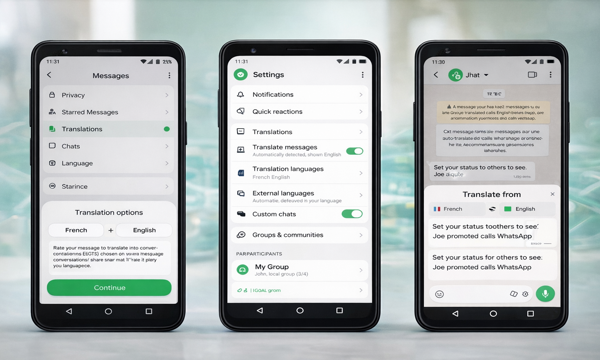
- Automatic translation of incoming messages
- Manual option to translate selected texts
- Support for multiple languages
There are also indications that part of the translation process may happen on-device, helping maintain privacy. However, more advanced translations might still require cloud-based processing.
Although WhatsApp has not officially announced the feature, its presence in testing builds suggests that a public rollout could happen in the future.
Competitive Position in the Messaging Industry
The addition of real-time translation places WhatsApp in direct competition with other messaging platforms that already offer similar capabilities.
With a massive global user base, WhatsApp can benefit greatly from reducing language barriers. This is especially important in regions where multiple languages are commonly used, such as:
- South Asia
- Africa
- Latin America
By improving accessibility, the feature could boost user engagement and retention.
Privacy and Encryption Challenges
WhatsApp is widely known for its end-to-end encryption, making privacy a major concern when introducing translation features.
Key Considerations:
- On-device translation helps keep messages private
- Cloud-based processing may raise data security questions
- Transparency will be essential for user trust
Balancing functionality and privacy will be critical for the success of this feature.
User Experience and Practical Benefits
Real-time translation can significantly improve everyday communication.
Benefits for Users:
- Instant understanding of messages in different languages
- Smooth conversations without switching apps
- Better experience in multilingual group chats
Business Use Cases:
- Small businesses can communicate with international customers
- Reduced need for manual translation tools
- Improved customer engagement
However, the effectiveness will depend on translation accuracy, especially for complex phrases and cultural context.
Growing Trend of AI in Communication
This feature is part of a larger trend where communication platforms are integrating AI tools such as:
- Language translation
- Message summarization
- Tone adjustment
As AI technology improves, these features are becoming standard expectations rather than optional add-ons.
Impact on Meta’s Ecosystem
As part of Meta’s ecosystem, WhatsApp’s translation feature could contribute to broader AI advancements.
Potential Advantages:
- Improved language models through real-world usage
- Integration with other Meta platforms
- Enhanced AI-driven services
At the same time, Meta will need to ensure compliance with global data regulations while maintaining performance.
Future Outlook
The introduction of real-time translation signals a shift toward smarter and more adaptive messaging platforms. While the feature is still under development, it has the potential to redefine global communication.
If successfully implemented, it could become a standard feature across messaging apps, making language differences less of a barrier in digital conversations.