Why Top Brands Avoid Bigger Smartphone Batteries
Many users wonder why flagship phones from Samsung, Apple, and Google don’t feature massive battery capacities.
Despite growing demand, these companies consistently stick to moderate battery sizes. The reason isn’t a lack of innovation—it’s a combination of engineering limits, safety concerns, and design priorities.
1. Bigger Batteries Create Heat and Degradation Issues
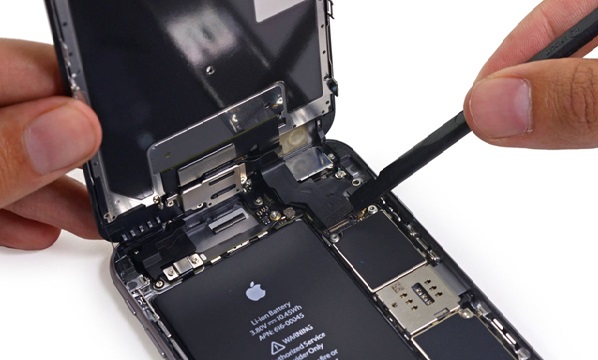
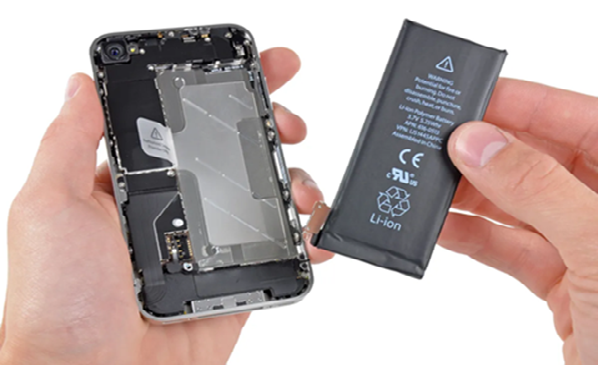
Most smartphones use Lithium-ion battery technology.
Increasing battery size leads to:
- More heat generation
- Higher internal pressure
- Faster long-term degradation
Excess heat can damage internal components and reduce battery lifespan. That’s why manufacturers prioritize battery health over raw capacity.
2. Slim Design Matters More Than Ever
Modern smartphones are designed to be:
- Thin
- Lightweight
- Comfortable to hold
Larger batteries make devices:
- Thicker
- Heavier
- Less ergonomic
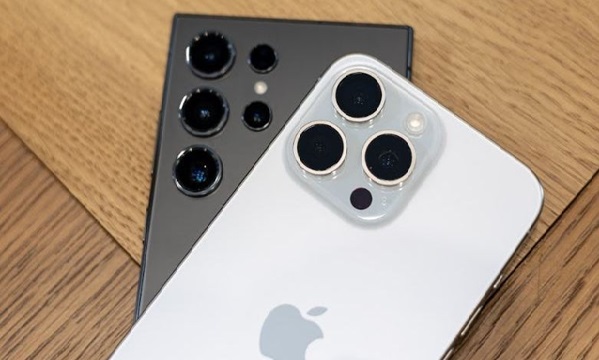
Brands like Apple and Samsung focus heavily on premium design and usability, ensuring devices feel balanced in hand rather than bulky.
3. Software Optimization Beats Raw Battery Size
Battery life isn’t just about capacity—it’s about efficiency.
- Google uses AI-based power management in Android
- Apple optimizes hardware and software together
- Samsung uses adaptive refresh rates and sleep controls
These optimizations often allow smaller batteries to last longer in real-world use compared to larger but poorly optimized ones.
4. Safety and Regulations Limit Battery Size
Battery size is also influenced by global safety regulations.
Key factors include:
- Aviation restrictions on lithium batteries
- Fire and overheating risks
- Strict consumer safety standards
After past battery-related incidents in the industry, companies now prioritize safe and proven battery limits to avoid risks.
5. Fast Charging Is Replacing Bigger Batteries
Instead of increasing battery size, brands are improving charging speed.
Benefits of this approach:
- Quick top-ups in minutes
- Better alignment with user habits
- Reduced need for oversized batteries
A smaller battery with fast charging often provides a better user experience than a large battery that takes hours to recharge.
6. Environmental and Sustainability Concerns
Bigger batteries require more raw materials like:
- Lithium
- Cobalt
These materials raise concerns around:
- Mining impact
- Supply chain emissions
Companies like Apple are focusing on reducing environmental footprint, making efficient batteries more sustainable than larger ones.
7. Real-World Usage vs Marketing Numbers
Consumers often focus on battery size (mAh), but real performance depends on:
- Display technology
- Processor efficiency
- Network usage
- Background apps
A phone with a smaller battery can outperform a larger one if it’s better optimized.
That’s why companies rely on real user data, not just specs, when designing devices.
What the Future of Smartphone Batteries Looks Like
Battery innovation is still progressing, but in smarter ways:
- Solid-state batteries (higher density, safer)
- Silicon-carbon technology
- Improved thermal management
These advancements aim to deliver longer battery life without increasing size.
Samsung, Apple, and Google are not ignoring user demand—they are making calculated engineering decisions.
Instead of chasing bigger batteries, they focus on:
- Safety
- Efficiency
- Design balance
- Long-term reliability
The reality is simple:
Better optimization matters more than bigger battery numbers.
As technology evolves, users can expect improved battery life—not through size alone, but through smarter innovation.